What I built.
An evolving survival-game prototype inspired by The Forest, Rust and Unturned. The focus is on getting systems working in a small test environment, then improving how the world looks and feels.
- Playable test environment with building and first-person interaction.
- Scripted opening sequence, vehicle integration and character assets.
- Blender-to-Unreal asset preparation and repeatable import scripts.
- 75 automated gameplay checks passing at the latest verified build.
Under the hood.
Unreal / C++
Gameplay and runtime
Blender
Model and material preparation
Python
Repeatable asset operations
A closer look.
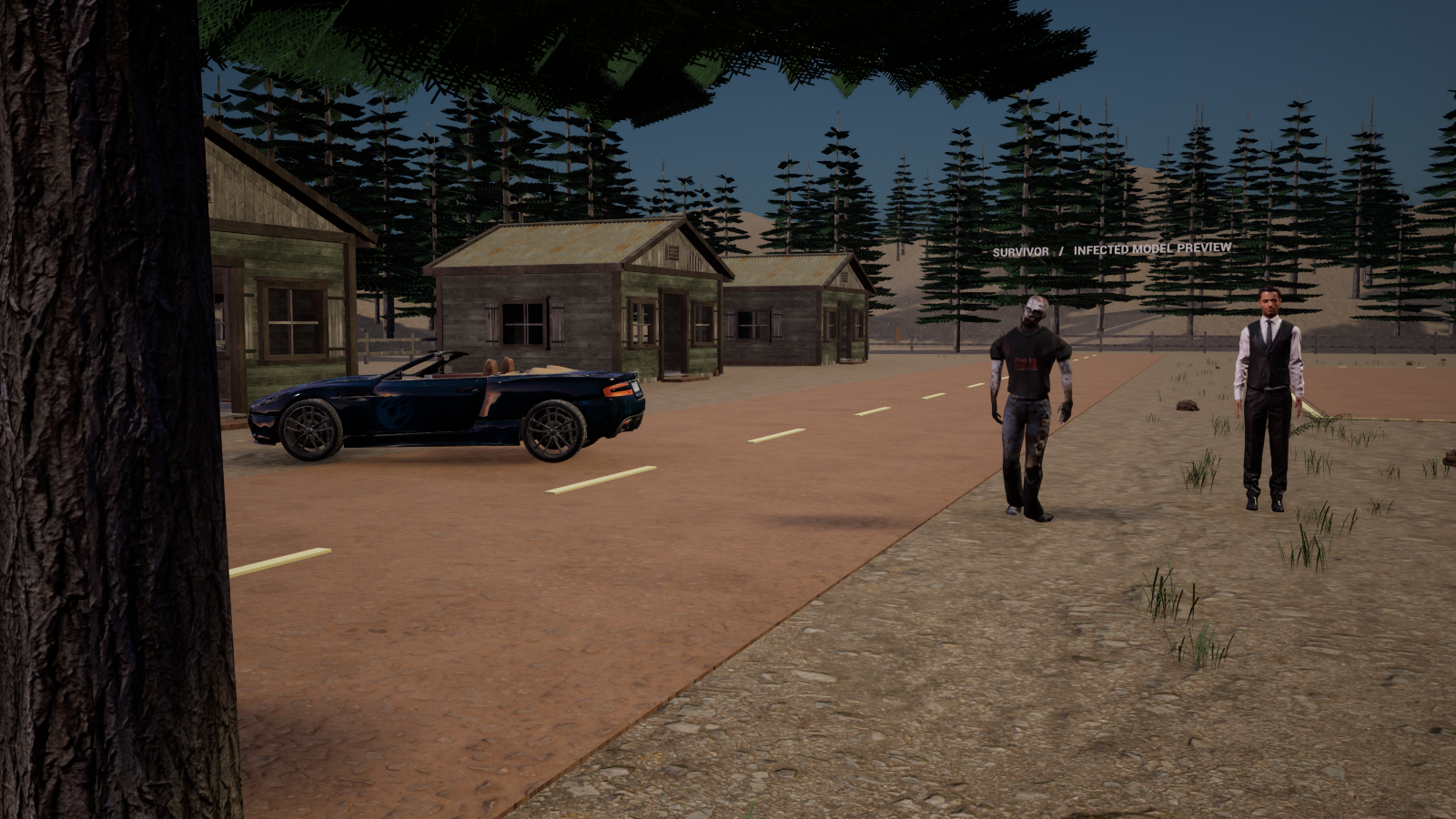
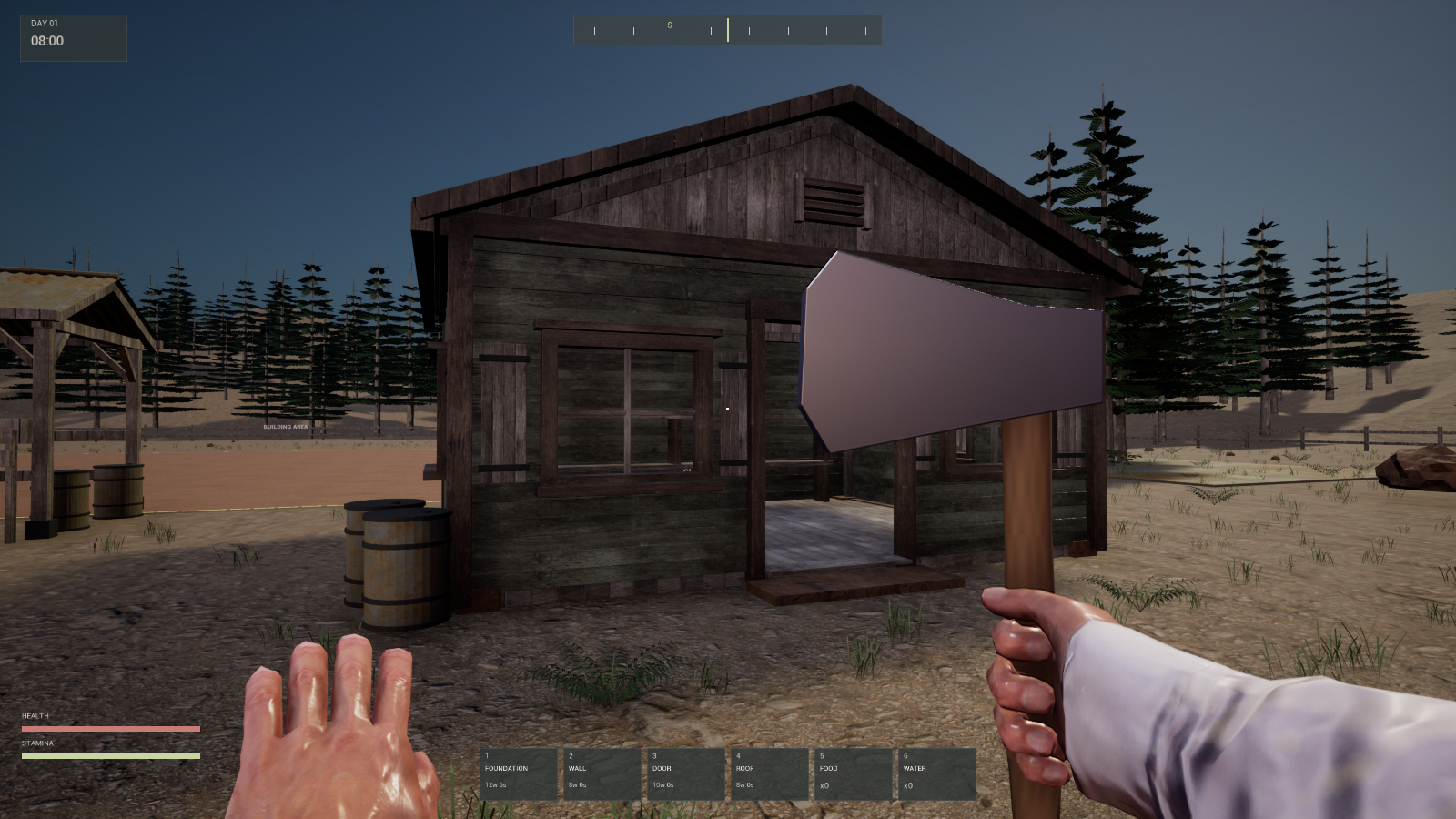
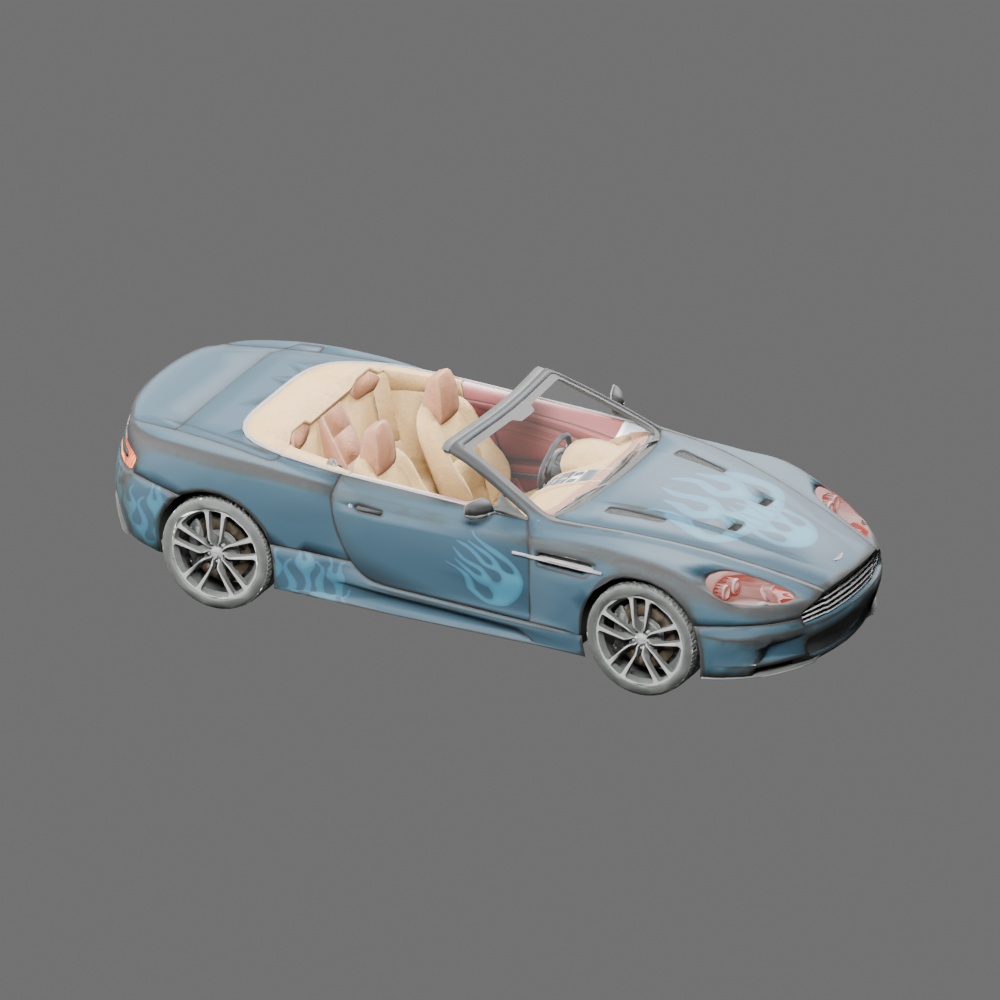
The survival game I wanted to play
I wanted a survival game that brings together exploration, realistic details and the freedom to build. The Forest, Rust and Unturned were reference points, but the goal is a world that can grow into something I enjoy playing with friends.
A test map before an open world
Instead of beginning with a huge map, I started with a test environment. It gives building, first-person interaction and the opening sequence a place to be tried together. Procedural landscapes, cities and cooperative play remain longer-term ambitions.
The asset pipeline is part of the game code
Unreal, Blender and Python form a pipeline rather than three unrelated tools. An asset has to carry the right scale, materials and orientation into the game, then fit the first-person view or vehicle setup. A good render in Blender is not enough evidence that the import is correct.
That is why the small test environment matters: it gives the imported models and gameplay systems a shared place to be checked. The next technical challenge is making more of those checks repeatable as the asset collection grows.
Getting assets across the pipeline
The project uses Unreal and C++, with Blender and Python handling asset preparation. Replacing primitive characters and equipment involved more than importing files: scale, material assignments, bone orientation, grip alignment and the passenger camera all needed checking in actual game captures.
Check the game, not just the render
The latest verified build passed 75 gameplay checks. That does not make it a finished game, but it gives the iteration a foundation. I use AI-assisted development throughout, and the useful test is always the same: does the result work when it is in the game?
Project screenshots include licensed assets by Renderpeople, Pixelhouse and Francesco Coldesina. See the full image credits for sources and licences. Asset credits ↗